Vending machines
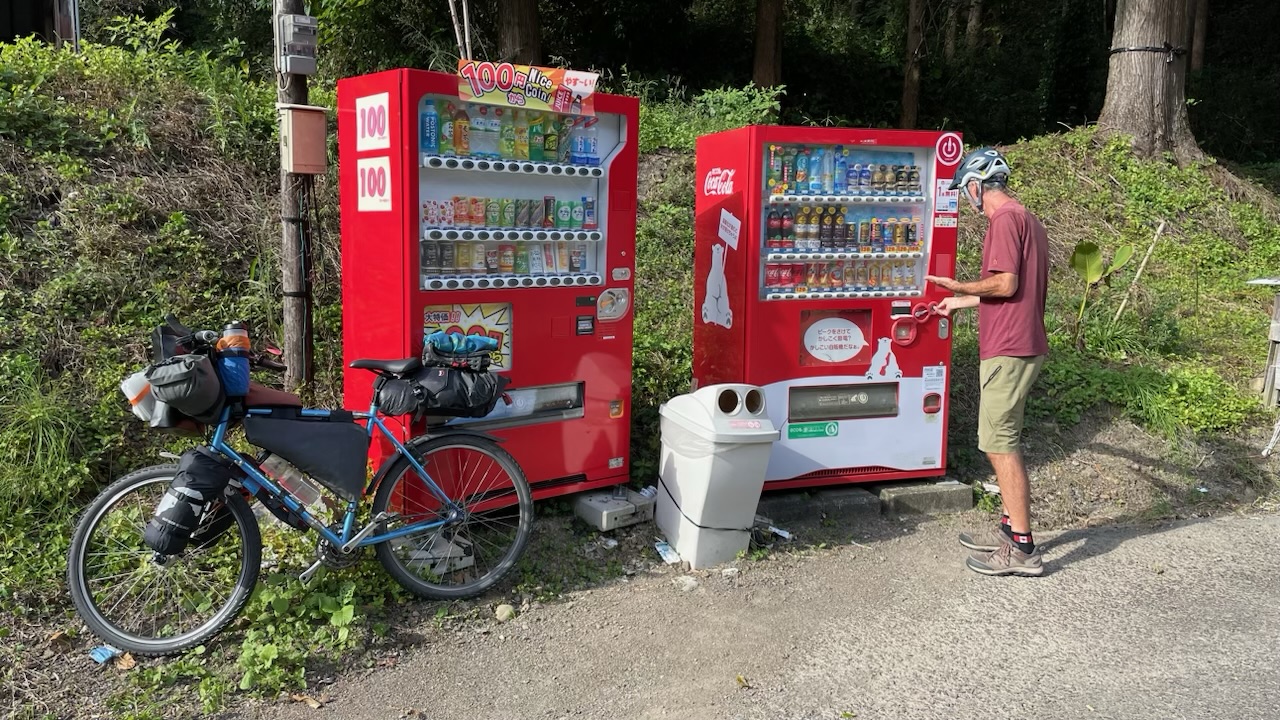
They are everywhere. Even in the middle of nowhere — as long as there’s an electrical supply — one can buy a cold lemonade, ice tea, coke or coffee for ¥100 to ¥130 (about $1). We even saw one that sold frozen meals to take home and heat up.

Narrow streets

There are big roads and expressways but in the cities and towns and throughout the countryside, roads and streets remain narrow, barely the width of a car.

We try to stay off the big, busy roads in cities and often end up riding through neighbourhoods when a maze of small streets run between the houses and apartment buildings. It’s a bit like riding through alleyways or people’s backyards.
Small snub-nosed cars, trucks and vans

Japan is the land of small cars. They invented them. They’re boxy and fuel-efficient, and given the small, narrow streets, almost essential. Although there are many larger cars as well, the small vehicles still rule the road.

They come in all forms: sedans, vans and trucks.

Friendly people
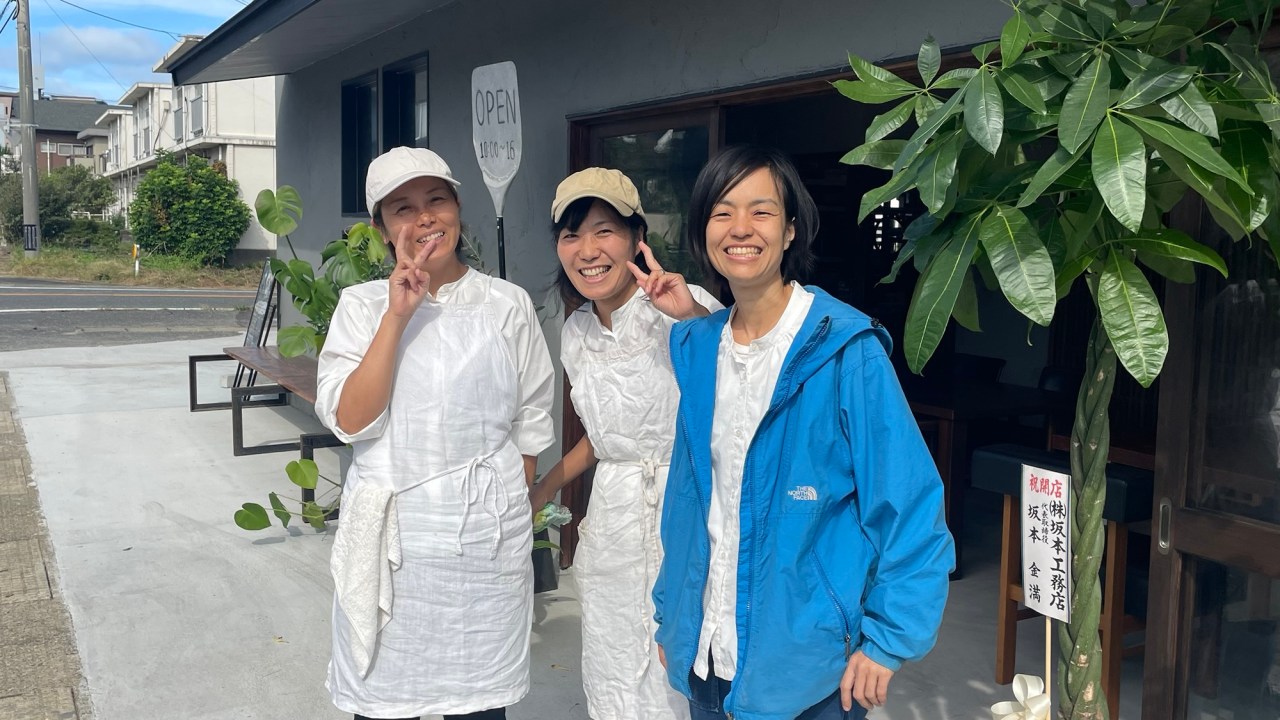
Despite our inability to communicate in Japanese beyond a few basic words, we do manage to have a rapport with some people. A bit of English here and there, a translation app on the phone and a willingness to try are all that’s needed. But many people are perhaps shy or intimidated and don’t try. But with the people who do open up we have a much richer experience.

Good, cheap food in supermarkets and konbini

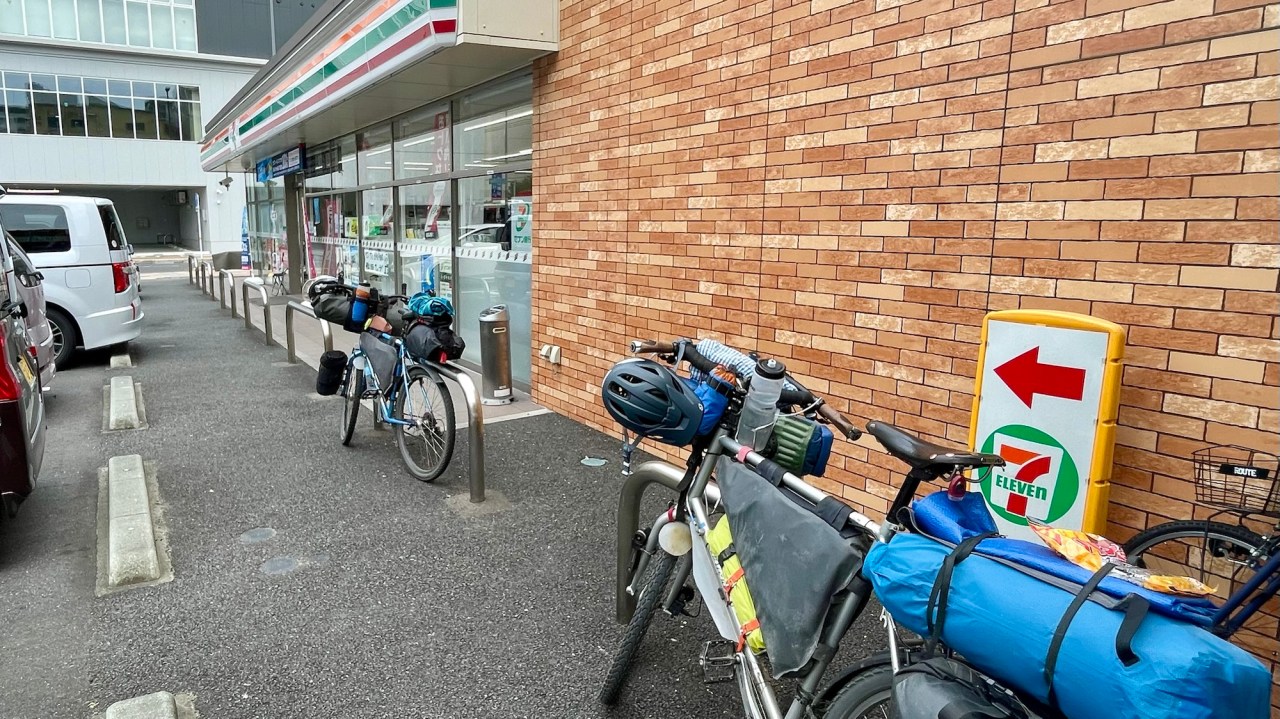
The konbini (convenience store) rules in Japan. Lawson Station and 7/11 stores are everywhere and they sell just about everything: snack food, socks, toiletries, booze, basic groceries, hot and cold drinks and more. They sell excellent coffee, by the way, for $1.
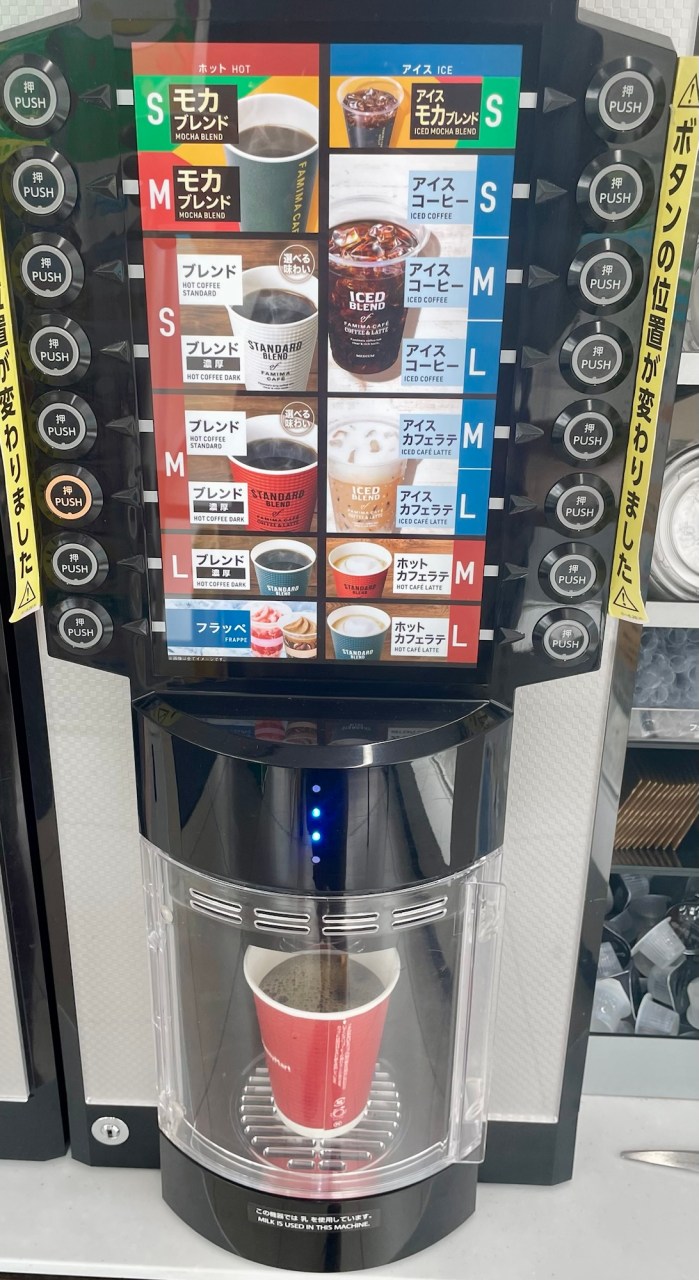
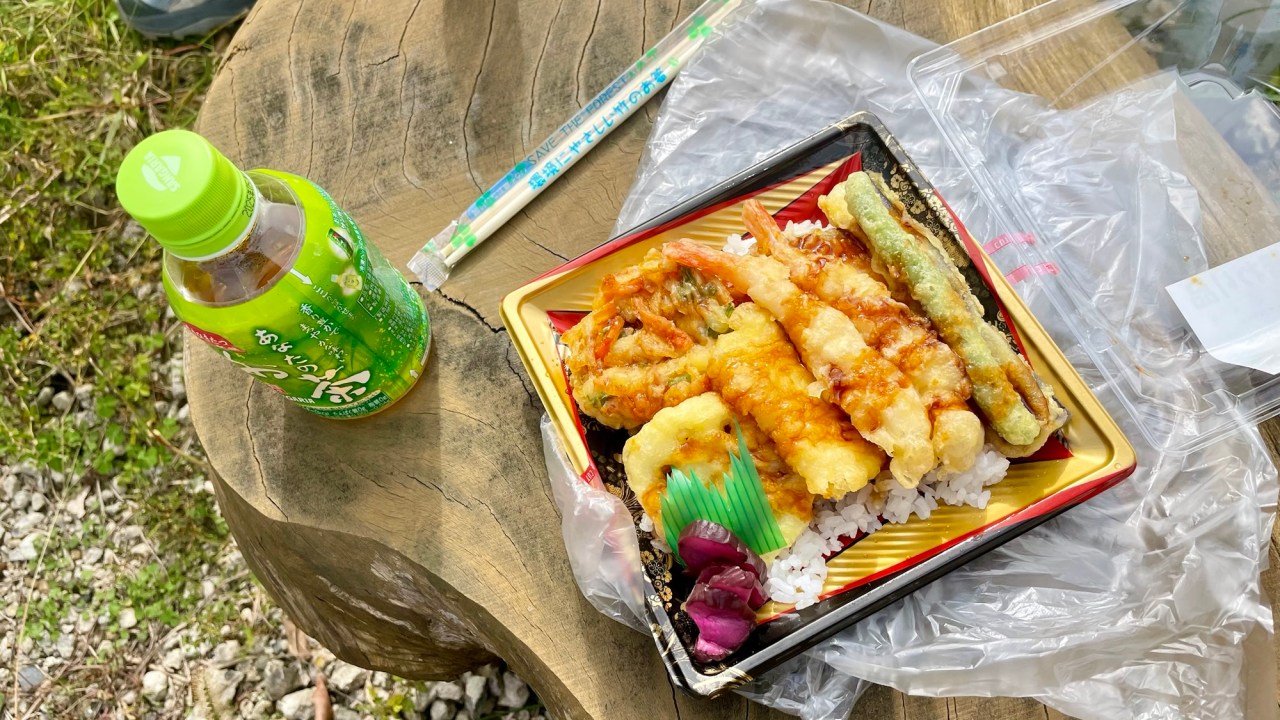
But most importantly for the traveller, you can buy good, cheap food to eat at a konbini. From sushi and sashimi to bento boxes and curry chicken with rice, and more. They will heat it up for you as well and the stores also have bathrooms.
Free camping

Camping is popular in Japan and there are many campsites run by local councils or municipalities that are free. There are bathrooms, clean and stocked with toilet paper and soap and potable water.
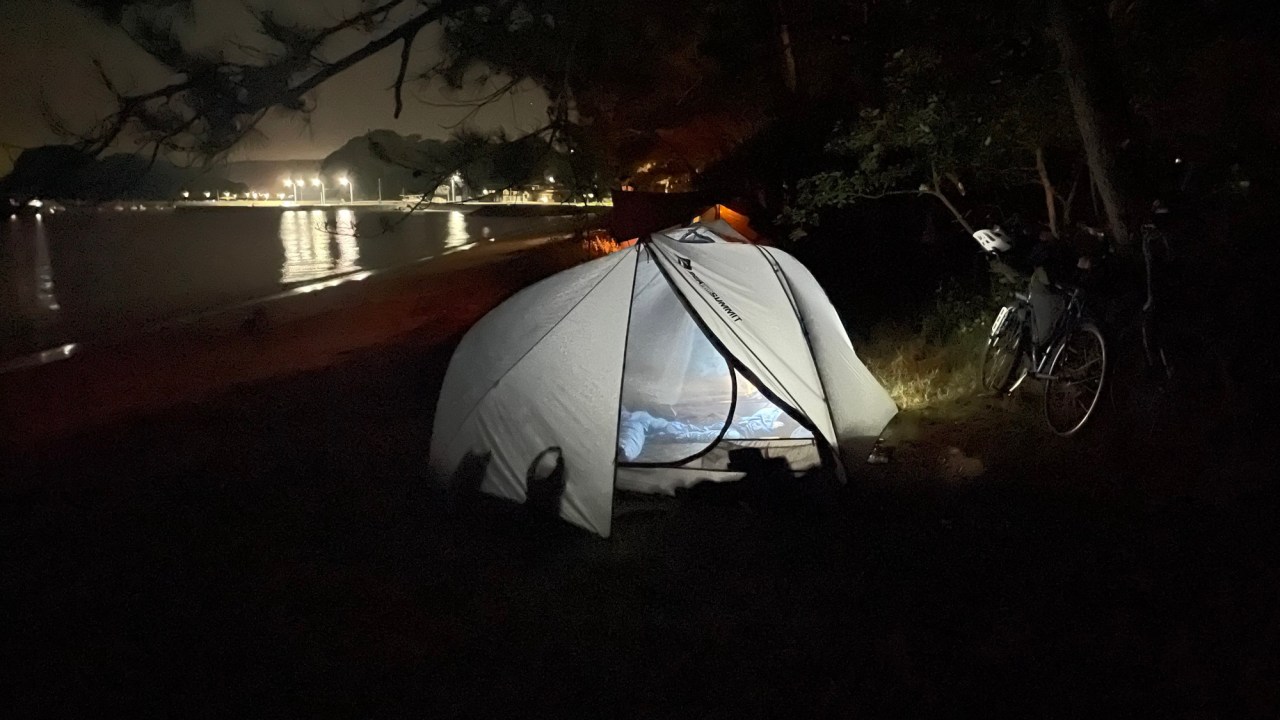
You can’t just camp anywhere. There is no “every man’s right” to camp like in Scandinavia but generally on beaches or at rest stops you can pitch a tent for the night. There are also paid campsites and the fee varies.
Lush vegetation
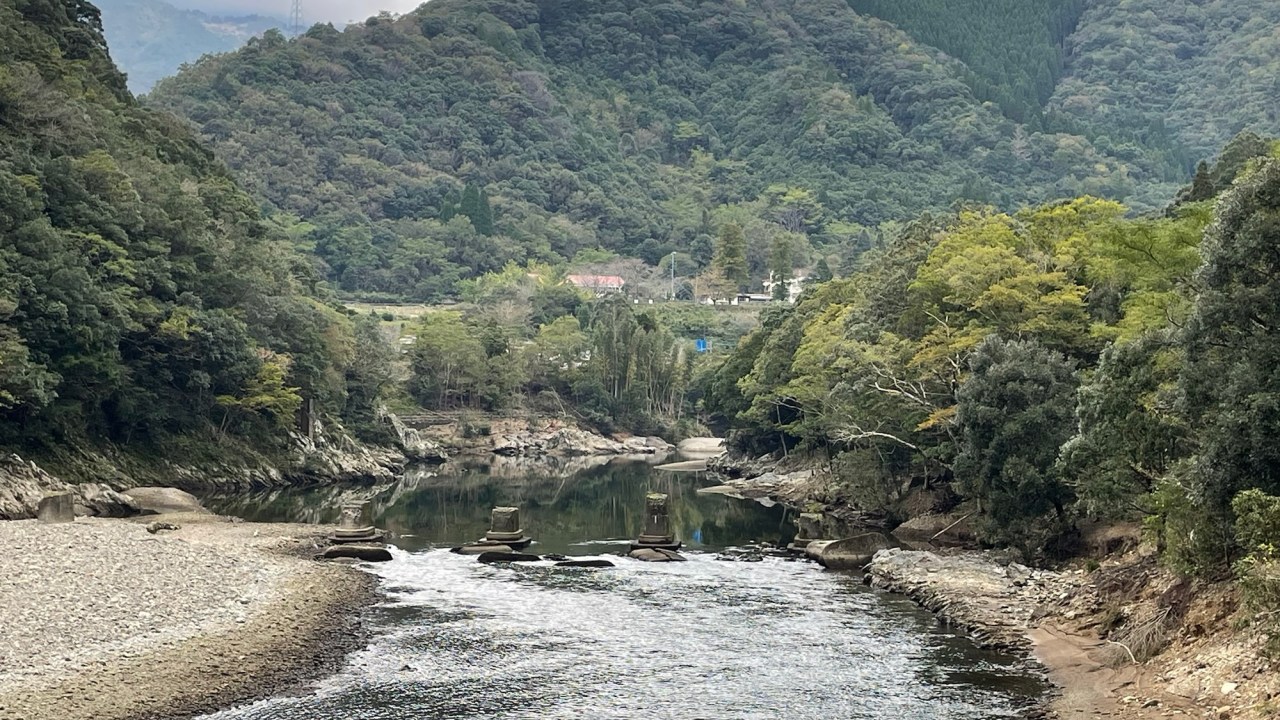
Japan is green. Dense forest covers Shikoku, where we’ve been travelling. There is a lot of bamboo, also palm trees as well as conifer forests covering the mountains.
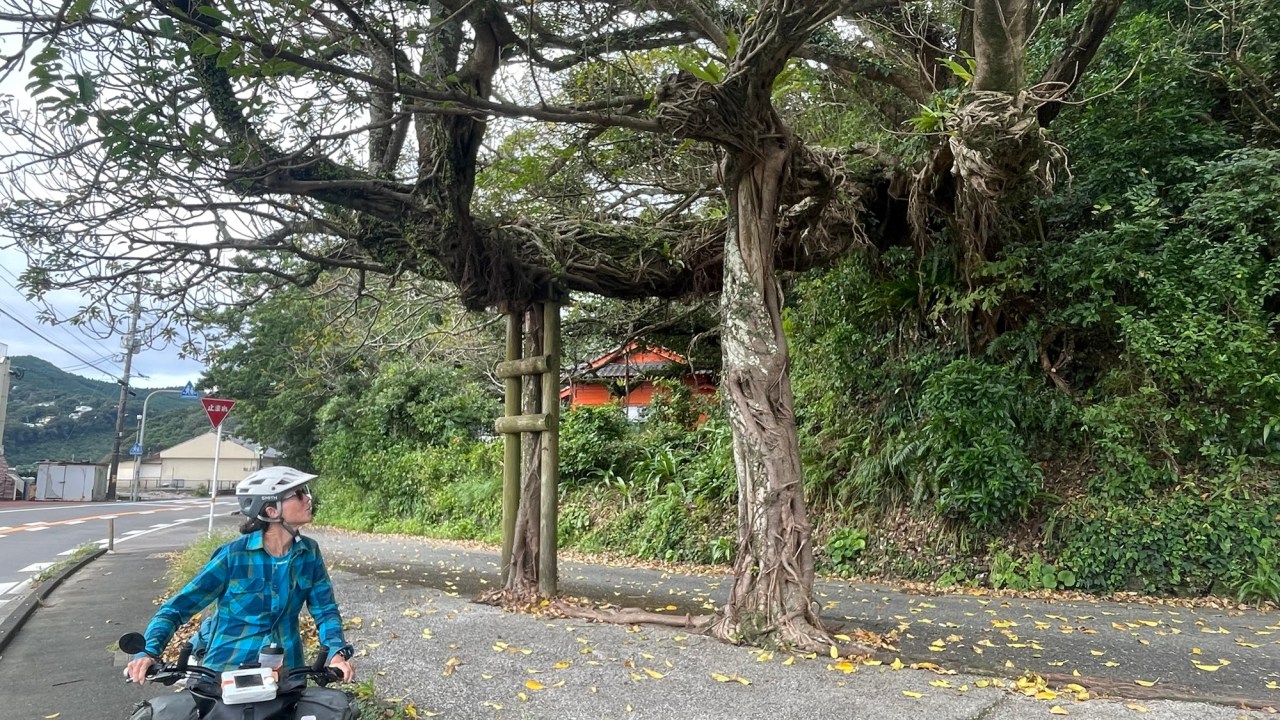
It’s a bit of a jungle. Vines grow everywhere and abandoned roads quickly disappear under green vegetation.

There is lots more to discover as we continue our journey.

 2 l o v e c y c l i n g
The vending machines dispense hot coffee also. The heated cans warmed our hands after a cold descent!
I will have to look for that. I haven’t bothered to translate anything on the machines. Just happy I can buy a cold coffee on a warm day
tomodachi (friend) is always a good word to speak with Japanese!
Another great post. So many different things
Good food at 7-11? That’s cool! What are the temps like in November? Looking forward to the journey!
Temps have been 20-25C. A bit above normal from what I read. It doesn’t cool off much most nights – 16-18 often.
Good read, PaulSurprised by the lack of fall colours this time of the year, although it seems you are still dressed light…
Colours are starting. It’s still above 20C during the day and often not much cooler at night.
Paul
good to travel vicariously with you and J
it is wet grey November here in Kits
visited ivona
back to Nelson tomorrow
Culture crawl on
Steve
That free campsite on the beach is beautiful!
Interesting Pictures
I enjoyed the info. of the pictures. Nice to know what I’m looking at. The vending machines sound interesting and convenient. I look forward to seeing more of Japan. Sheila
thanks Paul and Janice, I knew very little of Japan, your foto’s and stories broadened my horizon very much.
Thanks and love,
Geertien, Odijk