There are red roses all over Sarajevo. They are not flowers. They are scars left by mortars fired into the city during the 1425-day-long siege of Sarajevo. Later, these mortar scars were filled in with red resin to commemorate the people who died in those attacks.
From April 5, 1992 until February 29, 1996, Serbian forces surrounded this city and rained mortars and sniper fire on a population trapped inside the city.
By the time the Dayton Accord had been signed in 1996, effectively ending the war, nearly 14,000 Sarajevans had died in the siege. People died from starvation, hypothermia and disease but most were killed by sniper fire and shelling.
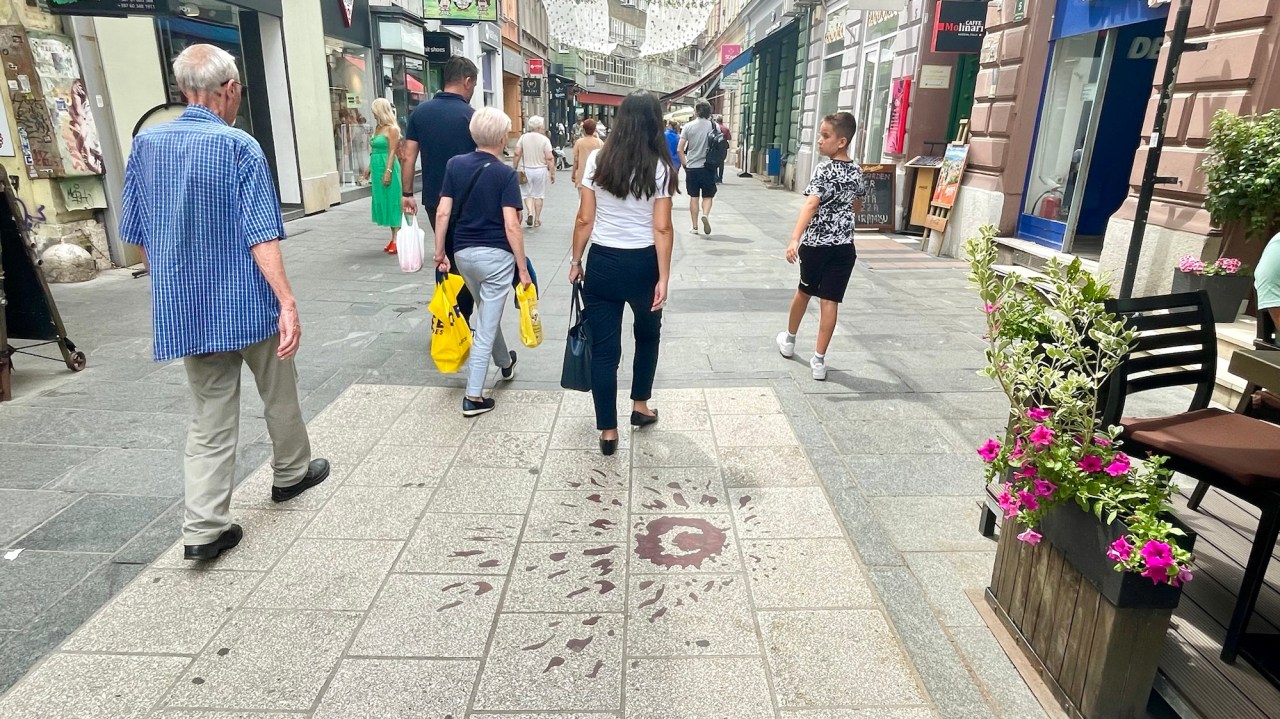
On May 27, 1992, people were lined up for bread on Sarajevo’s main street when three shells were fired from the hills above the city and exploded on the crowded street. Twenty-six people were killed and 108 were wounded.
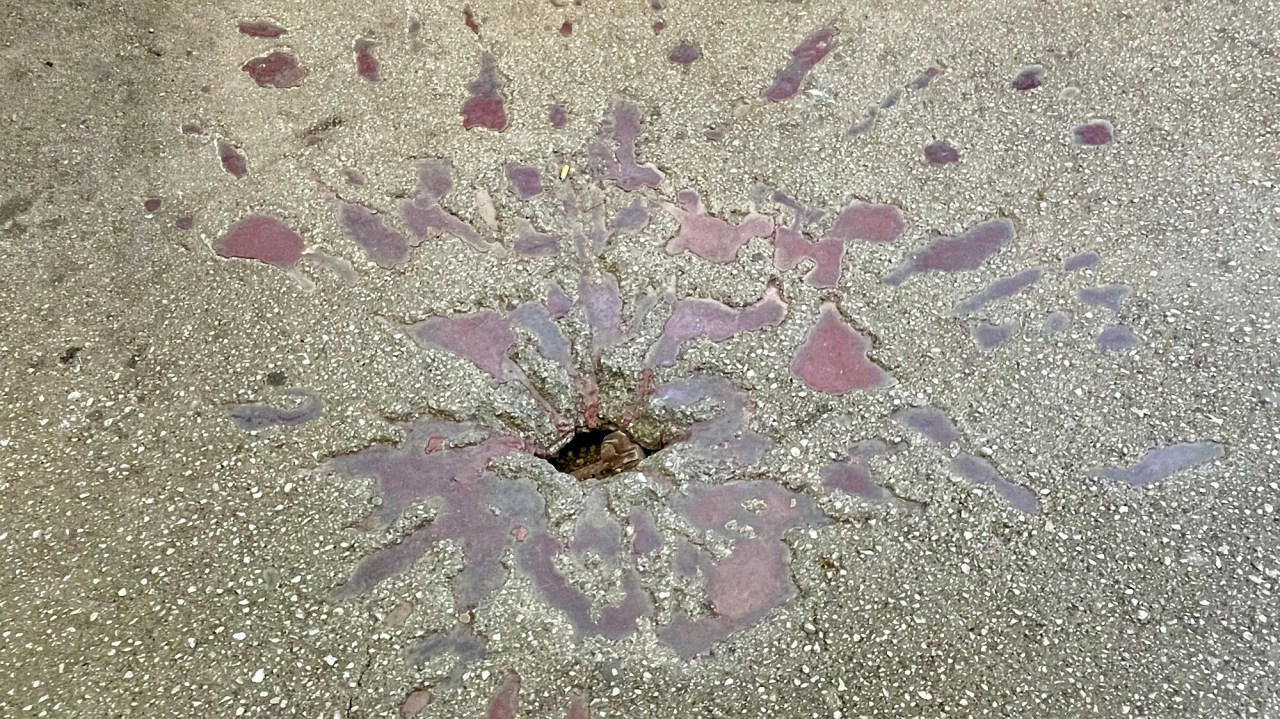
A block away, on Feb 5, 1994, a mortar exploded in a crowded market: 68 dead, 144 wounded. The market was struck again on August 28, 1995, and 43 people died with more than 75 wounded.

Each rose represents an attack where three or more people died. There are nearly 200 roses scattered in a roughly east-west line through Sarajevo.
They are a poignant reminder of the war and what was lost. Many of the cemeteries adjacent to mosques are full of graves from the early 1990s, in particular 1993. Sarajevo and its people are still recovering.


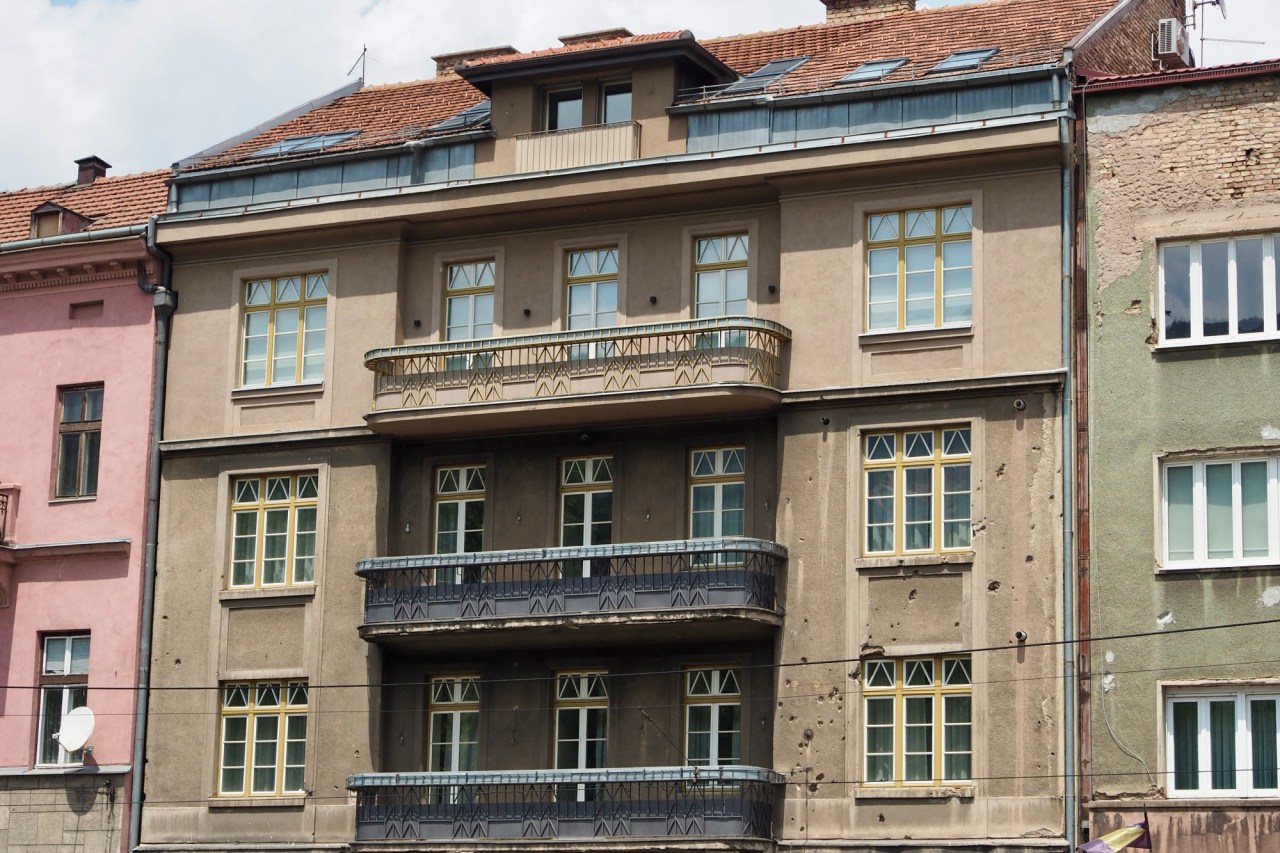
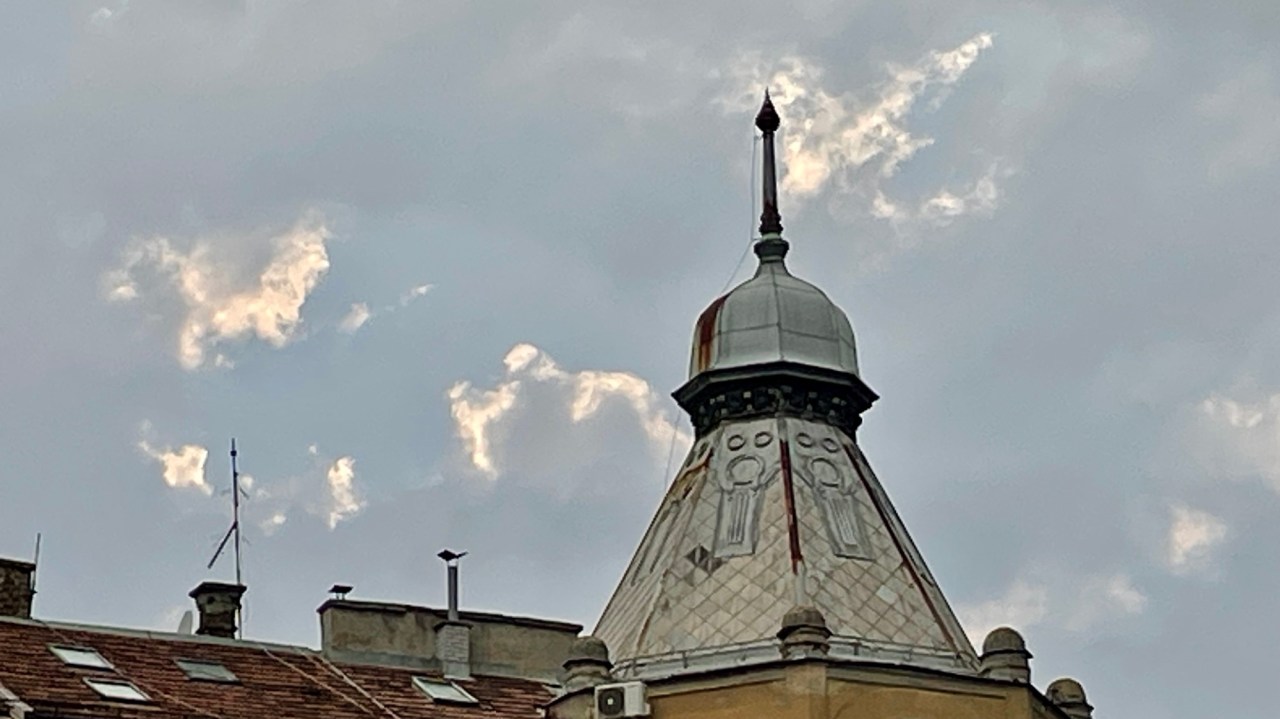
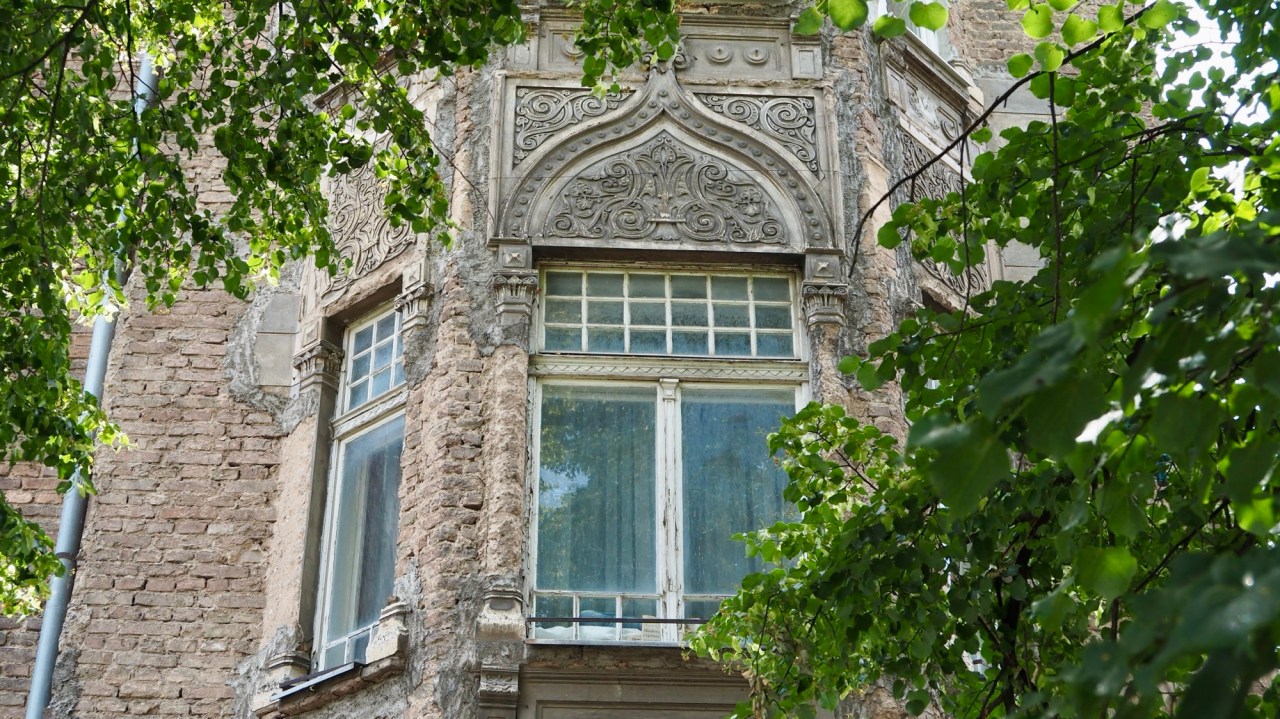
Many buildings still bear the scars of war.
Prior to the war and the breakup of Yugoslavia, Sarajevo had been known for two other notable events. The first was the assassination of Archduke Franz Ferdinand, the heir to the Austro-Hungarian empire, by a Serbian extremist. The assassination led to the invasion of Serbia by the Austrian army and escalated into World War I, ravaging Europe for four years until 1918.

The other event that put Sarajevo on the map was the 1984 Winter Olympic Games.
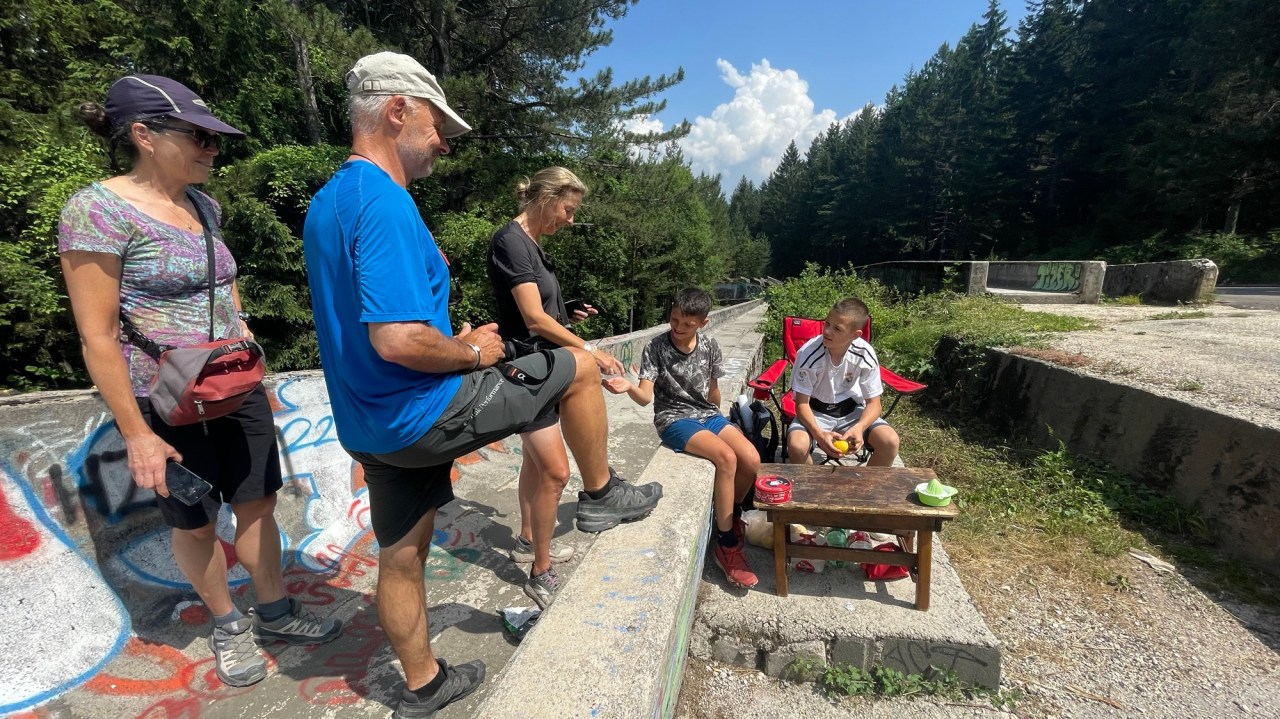
Much of the city was destroyed during the siege of Sarajevo but one remnant of the Olympic Games survived: the bobsled track on the slopes above the city.

We took the gondola up from the old city and hiked down the track which is now a colourful, curving concrete art installation running through the forest.

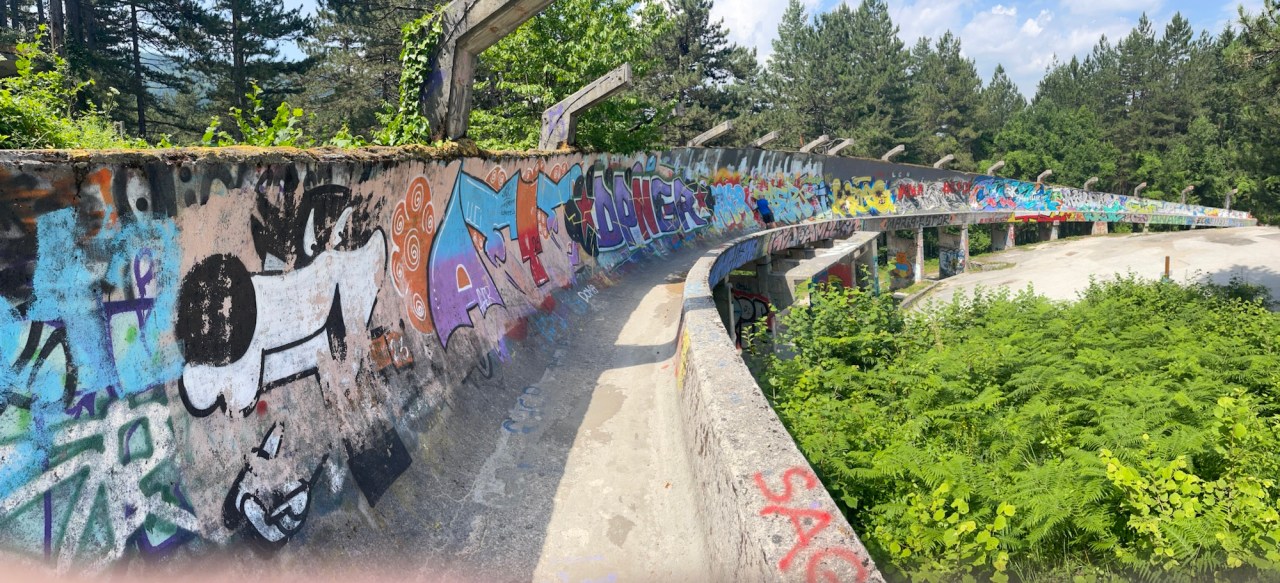
Partway down a couple of young boys were sitting at a little table beside the track selling lemonade to sweaty tourists.
We stayed four days in Sarajevo to learn about this city and what it went through in the Bosnian war.
A walking tour through the city highlighted many things for us and only scratched the surface of the rich history of this place.
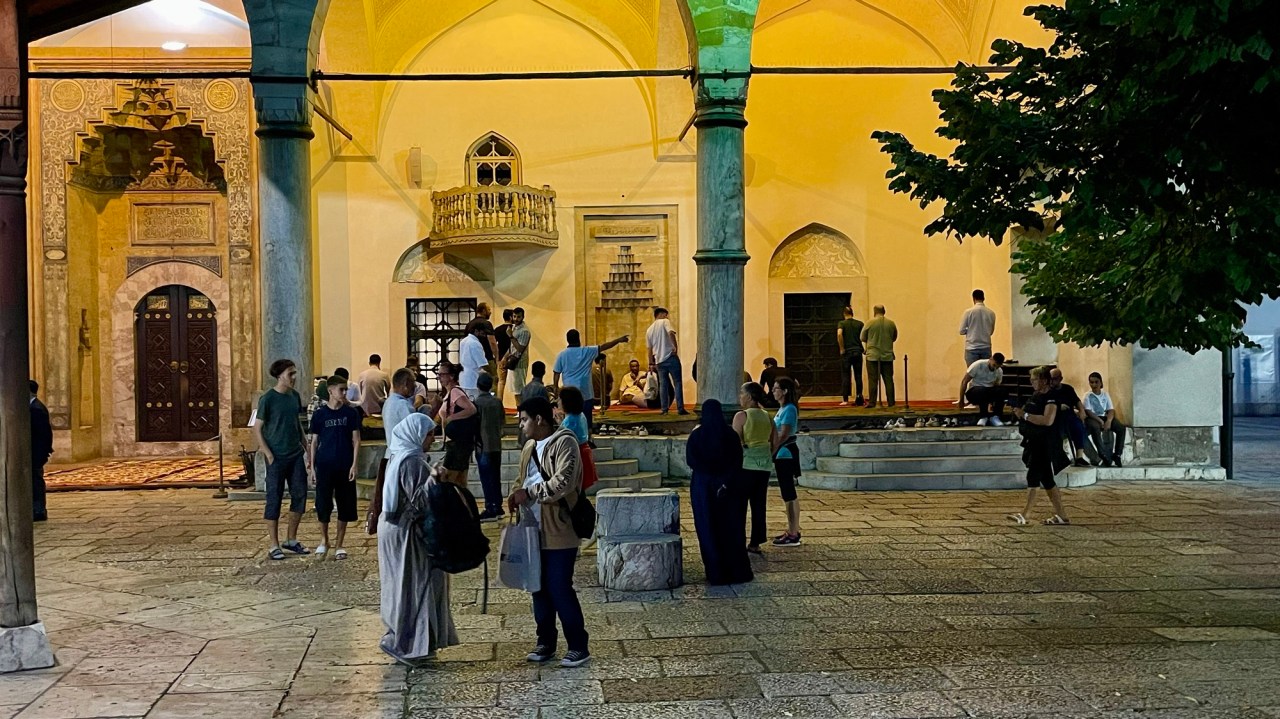
It truly is a crossroads where east meets west. Before the Austro-Hungarian occupation, the Ottoman Empire occupied Bosnia which is why this country is a mix of Muslim, Christian and Orthodox.
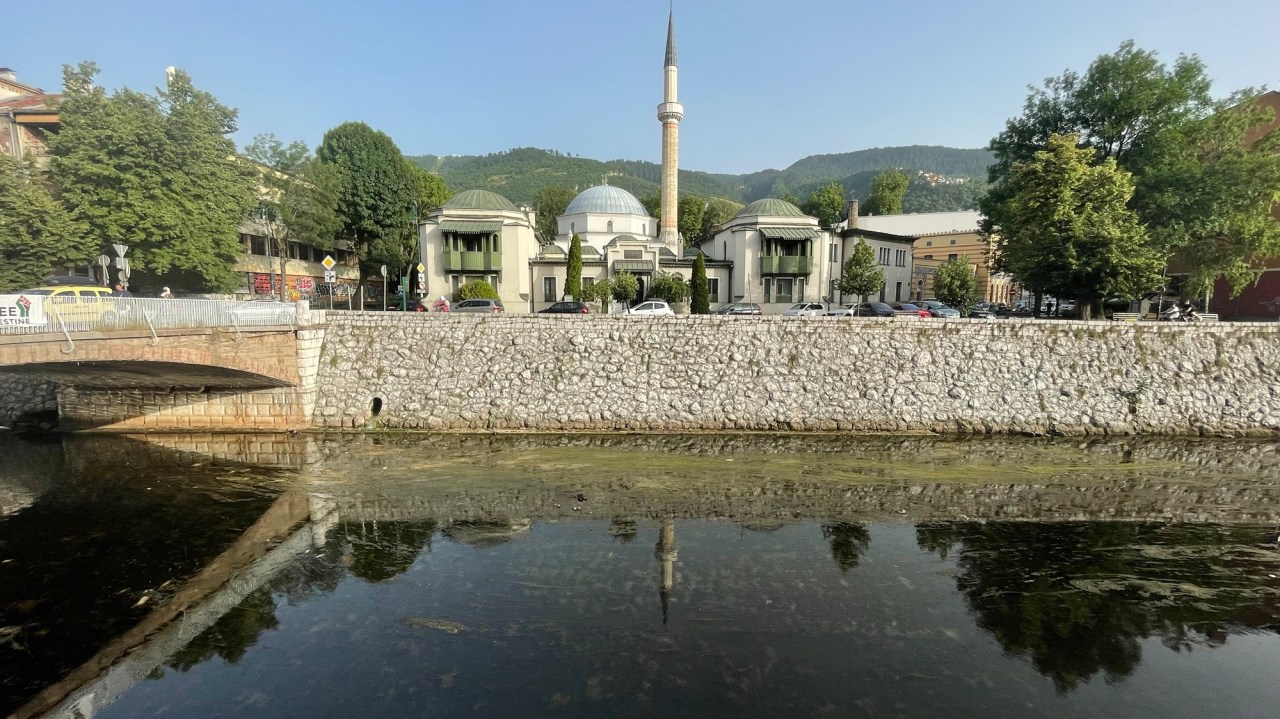
The divide in Sarajevo between east and west is readily recognizable where the old town architecture of Baščaršija gives way to the new town and the Austro-Hungarian architecture.


Sarajevo was also once home to a large population of Sephardic Jews and the synagogue here dates back to the 16th century. It is now a museum.

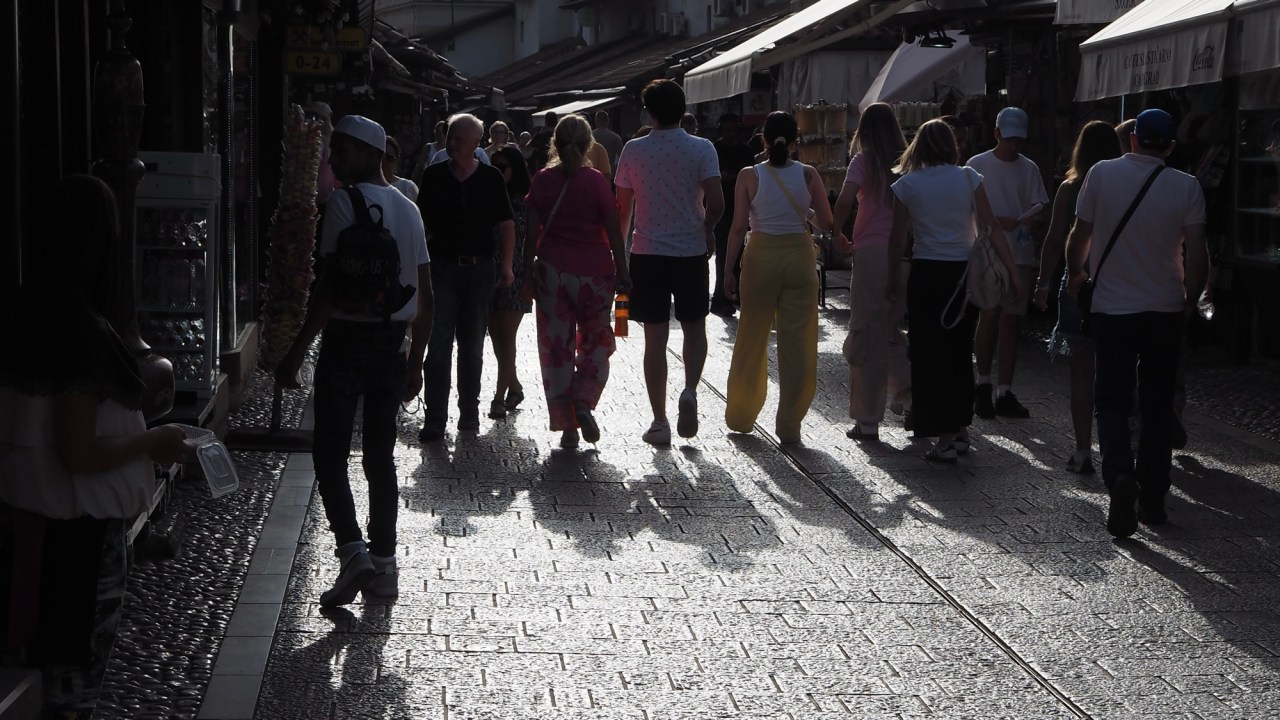
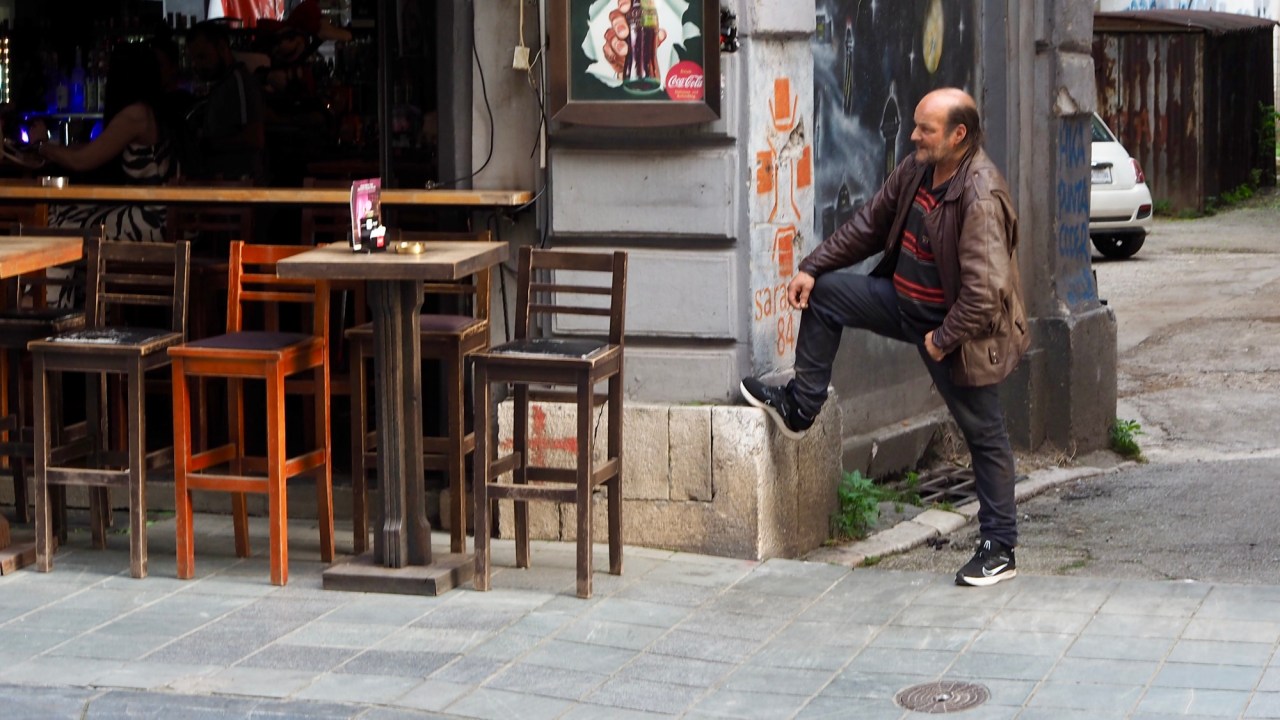
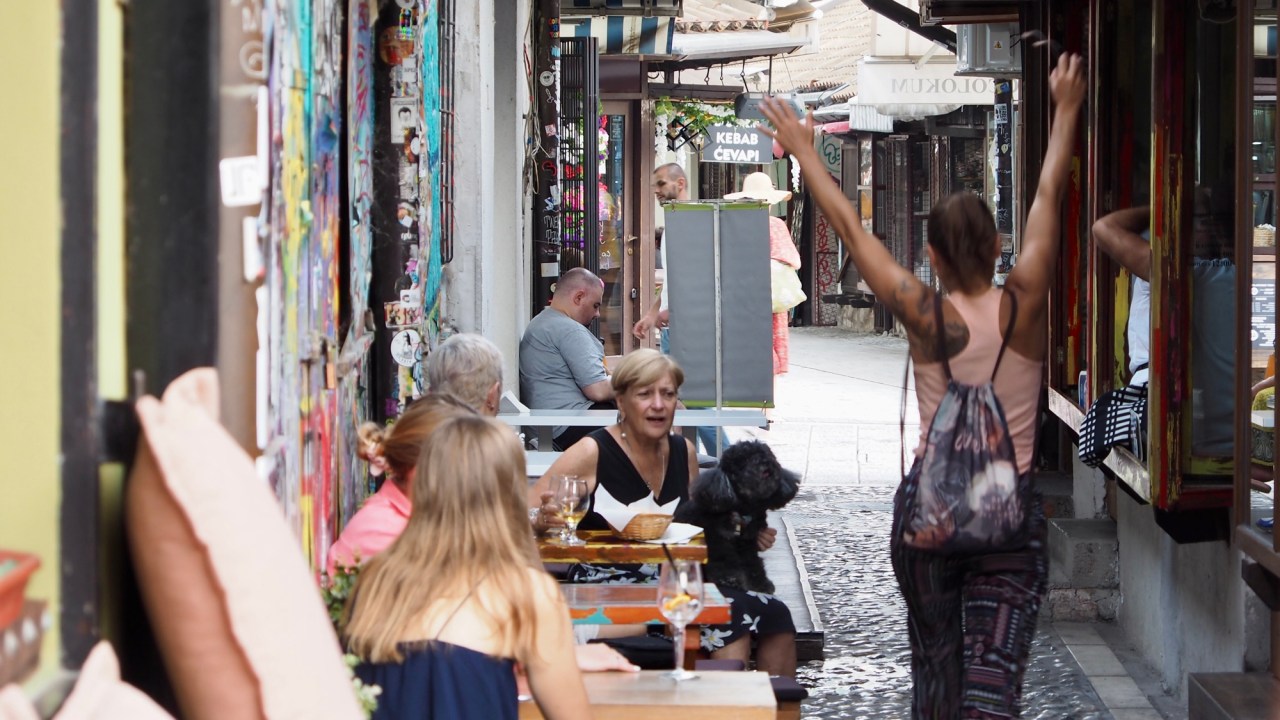
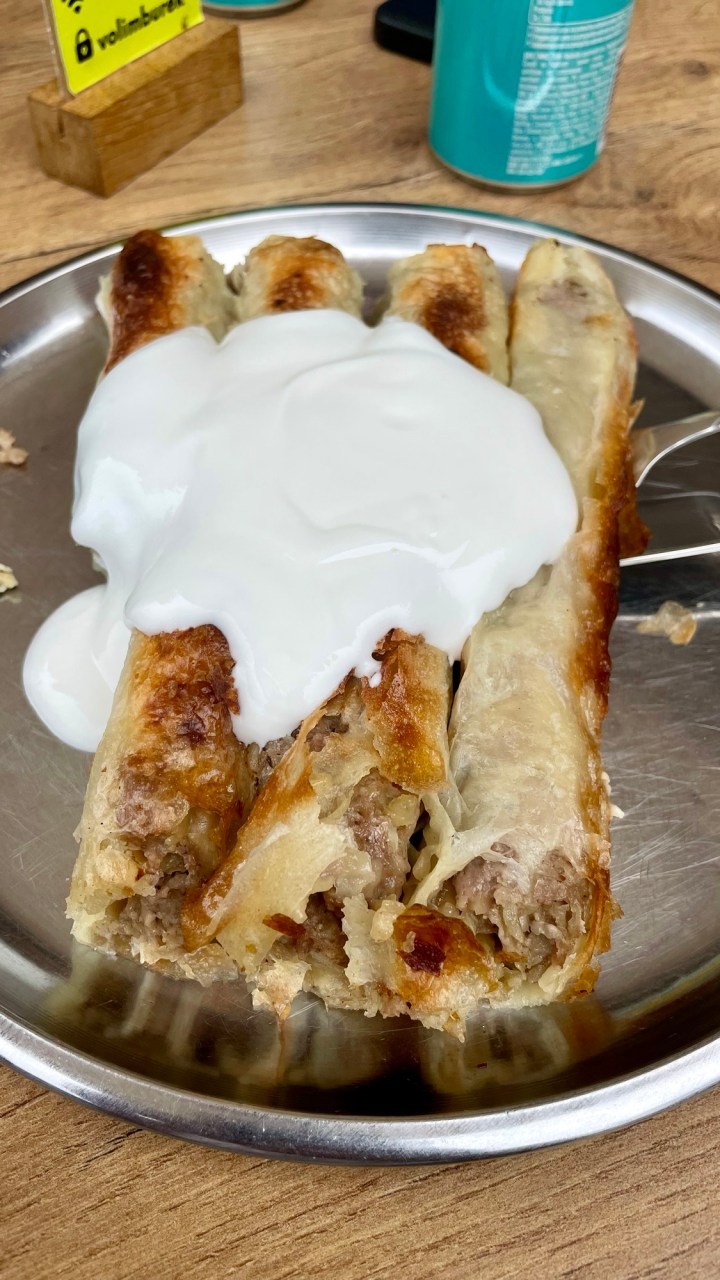
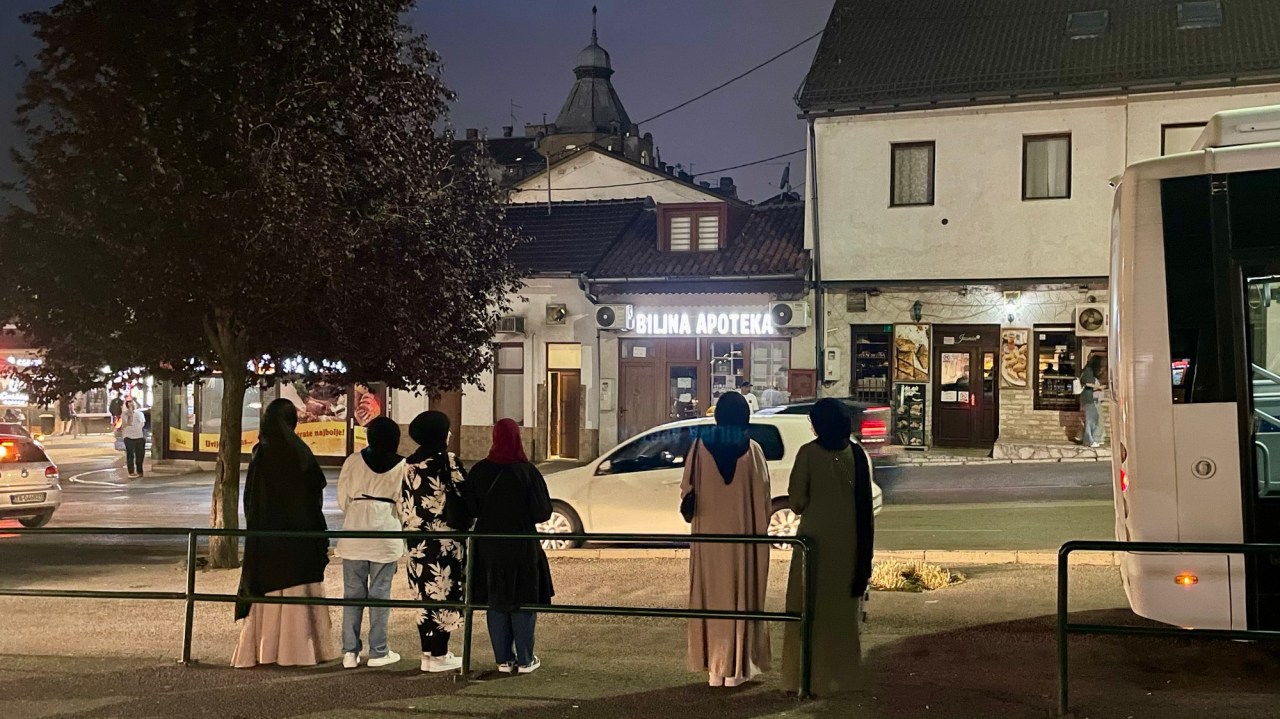
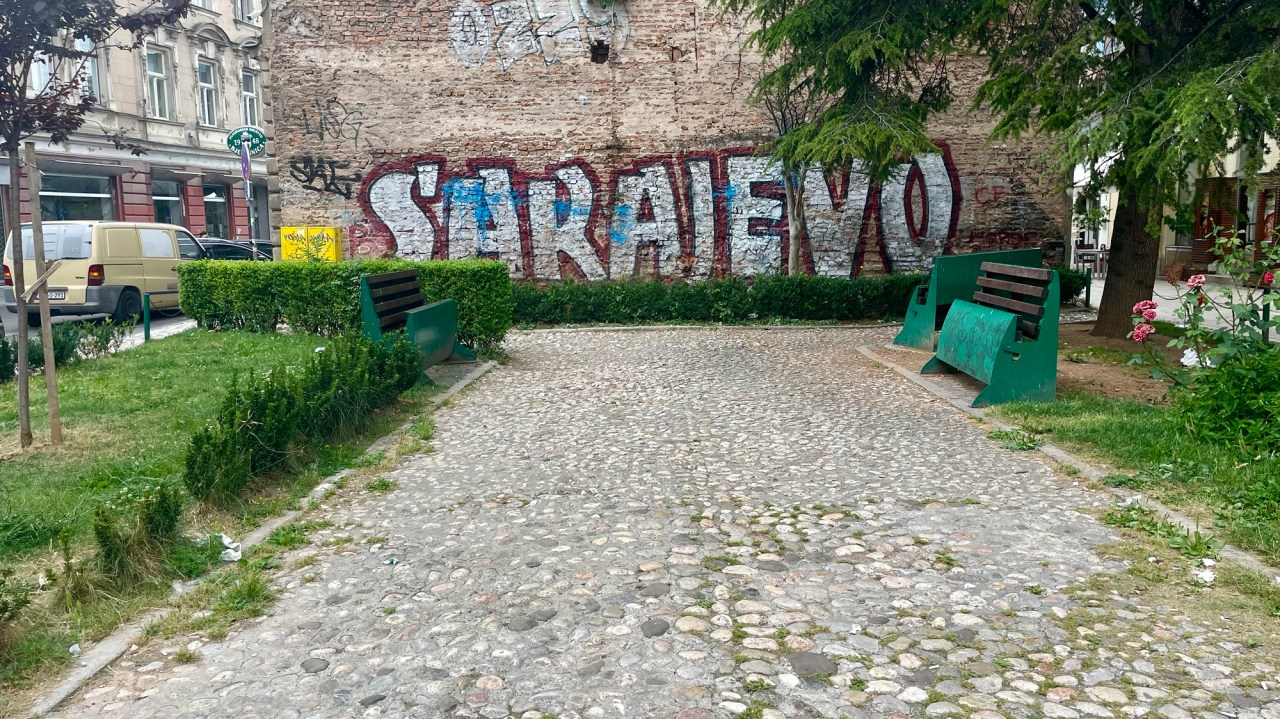
Life in Sarajevo is a colourful, vibrant affair. Its heart is still the old town of Baščaršija with its many shops, restaurants and mosques. We immersed ourselves in this place while resting from the demands of cycling in the ever-increasing heat of summer.











 2 l o v e c y c l i n g
Gre
Nice photographic documents. Like these atmospheres
Thanks for these photos and your narrative. The story of Sarajevo’s ability to survive – and the savagery that caused so much pain – under siege is always worth remembering.